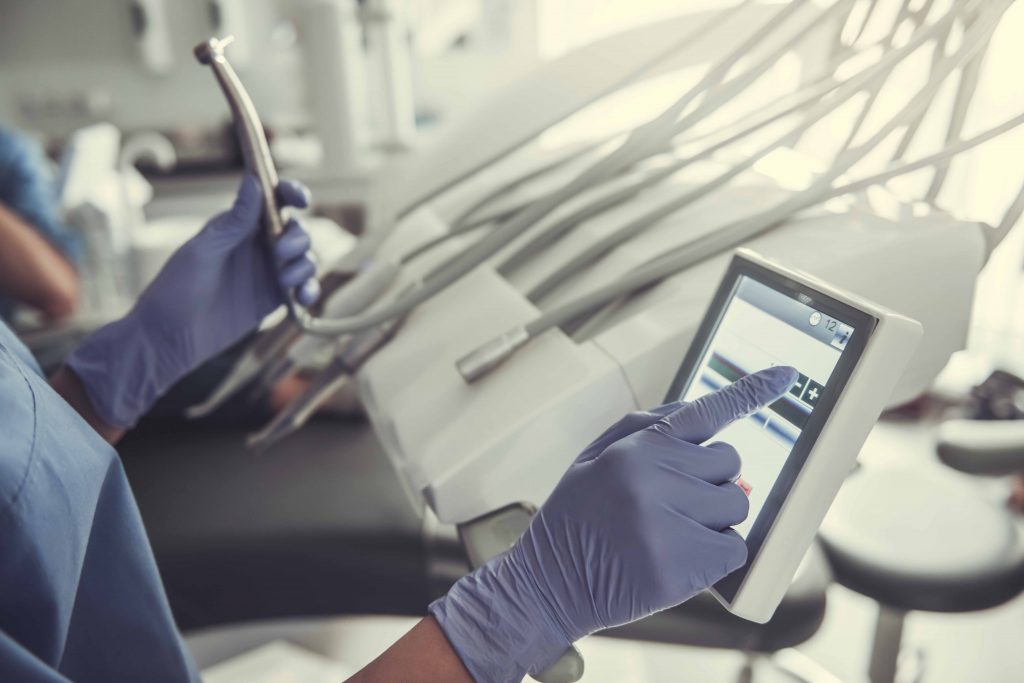
Going digital in dentistry is changing the way dental practices and laboratories work. From intraoral scanners to 3D printers and CAD/CAM milling machines, digital technology offers new ways to improve workflows and communication.
However, investing in digital dentistry equipment requires careful planning. Here are six important factors to consider before making the switch.
Purchasing equipment is only the beginning. Software, materials, maintenance, training and additional accessories can all add to the overall cost.
Consider your practice’s needs, how often the equipment will be used and whether it will improve your daily workflow. You do not need to invest in everything at once. Starting with equipment that addresses a specific need can be a practical first step.
New equipment takes time to learn. Whether you are introducing an intraoral scanner or a 3D printer or CAD/CAM system, your team needs the right training to use it effectively.
Consider the training provided by your supplier, as well as the time needed to practise scanning, operate software and understand material processing requirements. Proper training can help your team feel confident and get the most from your investment.
Not all digital dentistry systems work together in the same way. Some use a manufacturer’s own software and products, while others support compatible third-party equipment.
Open systems may support standard file formats such as STL, making it easier to transfer digital designs between compatible systems and laboratories. However, file compatibility does not guarantee that every feature or workflow will be supported.
Before purchasing, check that the equipment works with your existing software and the dental laboratory you use. Planning ahead can help prevent unnecessary costs and complications.
The materials you use are just as important as the equipment itself. Different 3D printing resins are designed for applications such as models, surgical guides, splints and temporary restorations. PEEK discs are used in compatible milling workflows for specified dental and prosthetic applications.
Not every material is suitable for every application or compatible with every machine. Always check the manufacturer’s specifications, intended indications, storage requirements and processing instructions before purchasing.
Reliable technical support is especially valuable when introducing new technology. Before choosing a supplier, ask about installation, training, troubleshooting, maintenance, warranty terms and access to compatible materials and accessories.
Consider the ongoing support available, not just the initial purchase price. A knowledgeable supplier can help your team resolve problems and use the equipment more effectively.
Start by identifying where technology could make the biggest difference to your practice or laboratory.
Before investing, ask yourself:
Answering these questions will help make going digital in dentistry a smoother process and help you choose equipment that suits your needs and budget.
Whether you are considering your first intraoral scanner or expanding your laboratory’s digital capabilities, choosing the right equipment is an important step. Explore DDL Dental’s 3D printing range and CAD/CAM scanners to find equipment for your practice or laboratory.