3D printing is transforming the way dental practices and laboratories produce models, appliances and other dental components. By turning digital designs into physical objects, it helps connect scanning, design and manufacturing in a more efficient digital workflow.
However, not all dental 3D printers work in the same way. Understanding the different technologies, materials and applications can help dental professionals choose equipment that suits their clinical or laboratory requirements.
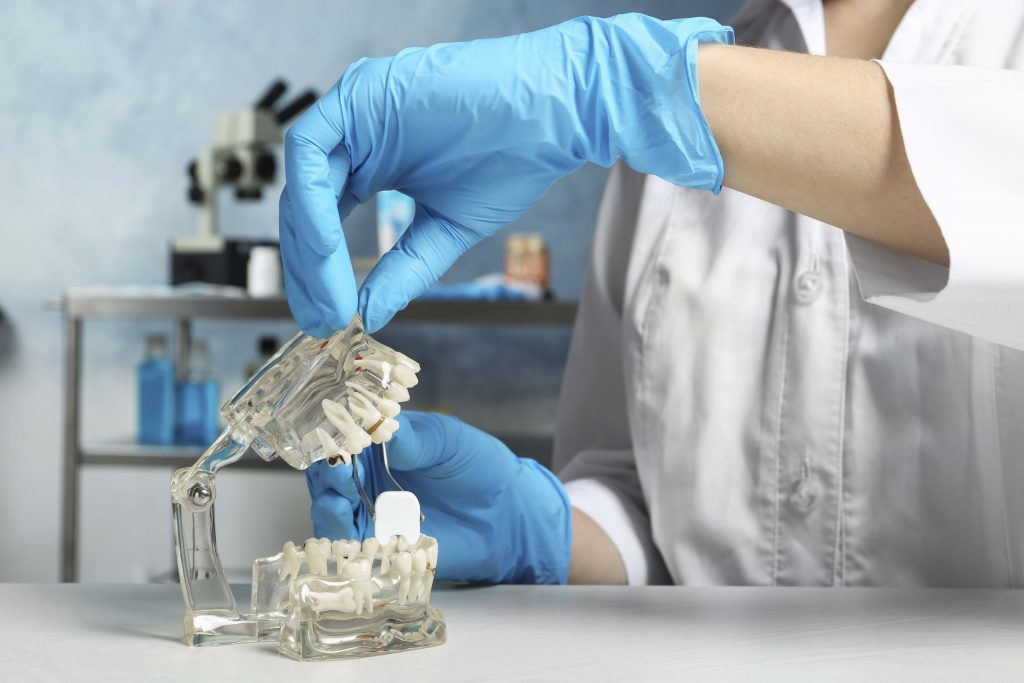
Dental 3D printers build objects layer by layer, using different methods to create the final result. Three common approaches are Digital Light Processing (DLP), Liquid Crystal Display (LCD) and filament printing.
DLP printing uses projected light to cure liquid resin, building each layer of the design. It is commonly used in dental applications where accuracy, detail and efficient production are important.
LCD printing uses an LCD screen to control the light that cures the resin. Depending on the printer’s resolution and materials used, this technology can produce detailed dental models and other compatible components.
Filament printing, also known as Fused Deposition Modelling (FDM), works differently. It melts and deposits thermoplastic material layer by layer, making it suitable for applications such as dental models and selected laboratory tasks.
Each technology has different advantages, capabilities, costs and material requirements. The most suitable choice depends on the intended application, production volume and required level of detail.
Dental 3D printing supports a growing range of digital dentistry applications, including:
It is important to remember that the printer alone does not determine what can be produced. Material compatibility, design software, printing settings and post-processing all influence the final result.
DDL Dental offers a selection of dental 3D printing technologies to support the needs of dental practices and laboratories.
The range includes Asiga DLP printers, such as the Max 2, Max, Pro 4K65 and Ultra 50; Shining 3D printers, including the AccuFab-D1s and AccuFab-L4K; and Aidite’s EZPRINT-P1 DLP and EZPRINT-F1 LCD printers. The range also includes the Renfert SIMPLEX filament printing system, designed for dental model fabrication.
These options provide different approaches to digital manufacturing, from resin-based printing to filament-based model production. With different technologies available, dental professionals can explore options suited to their applications, materials and production requirements.
Printing is only one stage of the process. Depending on the technology and material, the finished product may require washing, light curing or other post-processing steps before it is ready for use.
Choosing the right printer, compatible materials and appropriate workflow is essential, particularly when producing items intended for clinical use. Following the manufacturer’s instructions helps ensure that each item is processed correctly for its intended application.
As digital dentistry continues to evolve, 3D printing gives dental professionals more flexibility in how they approach design and production.
Explore DDL Dental’s 3D printing range to find equipment and solutions for your practice or laboratory.